
Outdoor
Filling In an Old Pool Before a Backyard Redesign
- pool removal
- backyard
- landscaping
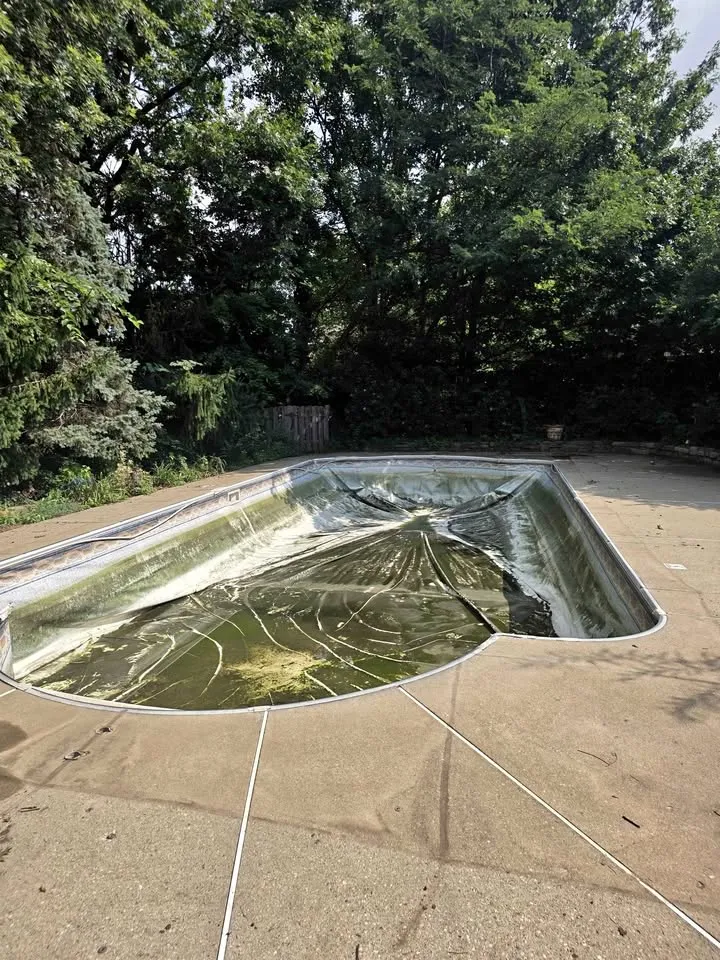
Maybe the kids have grown up, maybe the pool needs a new liner you'd rather not pay for, or maybe you just want the yard back. Whatever the reason, lots of Oakville homeowners reach a point where the pool has to go.
Filling it in is very doable, but it's worth thinking about what the yard will be next before anyone breaks ground. Here's how to approach it.
Decide what the space is for
This is the question that drives everything else. If you might one day build on that spot, say an addition, a garage or a garden suite, you'll want the whole pool out. If it's going to be lawn, gardens or a light patio, leaving the lower shell in place can work fine.
It's also worth thinking about how the new yard will drain. A pool often sits in the lowest or flattest part of a backyard, and once it's filled, that area needs to carry water away from the house and not toward a neighbour. A landscape designer can help with that, and it's easier to decide grades before the fill goes in than after.
- Full removal: the whole shell comes out and the hole is filled in compacted layers.
- Partial removal: the floor is broken through for drainage, the upper walls come out, and the rest is filled.
- Either way, keep a record of which one was done.
Plan the access
Machines usually come in through a side yard or a removed fence section. Oakville protects private trees 15 centimetres or more in diameter at breast height, and a lot of backyard pools sit near mature trees, so the route may need to bend around them. Mats protect lawn where the machine travels.
Drain, disconnect and break out
The water is pumped out first and discharged responsibly, never onto a neighbour's yard. An electrician disconnects the pump, heater and lights. Then the coping, any deck and the shell are broken out to the depth you've chosen. Concrete decks around the pool are often a job of their own.
Pool equipment such as the pump, filter and heater is removed and disposed of, along with any fencing or gates that aren't staying. If there's a diving board or slide, those come out first.
Fill it properly
This is the part that makes the difference years later. Fill goes in layers and is compacted as it rises, so the ground doesn't sink. The surface is graded to carry water away from the house and topped with soil ready for sod, planting or a patio base.
If you're planning a patio or hardscape over the old pool area, tell your contractor. The top layers can be built up with material that suits a patio base rather than plain topsoil, which saves your landscaper a step later.
When it makes sense to bring in a professional
Pretty much from the start. Draining, breaking out and compaction all need the right equipment, and getting the fill wrong is expensive to fix. A contractor can also tell you honestly whether your access will fit a machine or needs a different approach.
Our pool removal page explains how we handle it, and if the pool has a big concrete deck, our concrete removal crews take care of that too.
Wrapping up
Know what the yard is for, choose full or partial removal to match, plan access around your trees, and make sure the fill is compacted. That's really it. When you're ready to talk it through, Bolan Group Demolition Oakville can come and look. Request a free estimate.
Frequently asked questions
- Can I just fill the pool with dirt?
- Loose fill dumped in one go tends to settle. Fill placed in compacted layers is what keeps the ground level over time.
- Does removing the pool change the fence rules?
- Once the pool is gone, the pool enclosure rules no longer apply to that area. You can keep or remove the fence.
- Should I tell a future buyer?
- Yes. Let them know whether it was a full or partial removal and when it was done.
- Can the pool deck stay?
- It can, if it's in good shape and fits the new design. Many owners remove it at the same time.