
Planning
Geotechnical testing and demolition: which comes first on an Oakville rebuild
- geotechnical
- rebuild
- foundation
Your engineer wants a soil report before designing the new foundation. Your builder wants the old house gone so the schedule can move. And somewhere in between, a drill rig needs to get onto the lot and punch a few holes in the ground.
Which should happen first? It depends mostly on where the new house sits and how much room the yard has. Here's how to think it through.
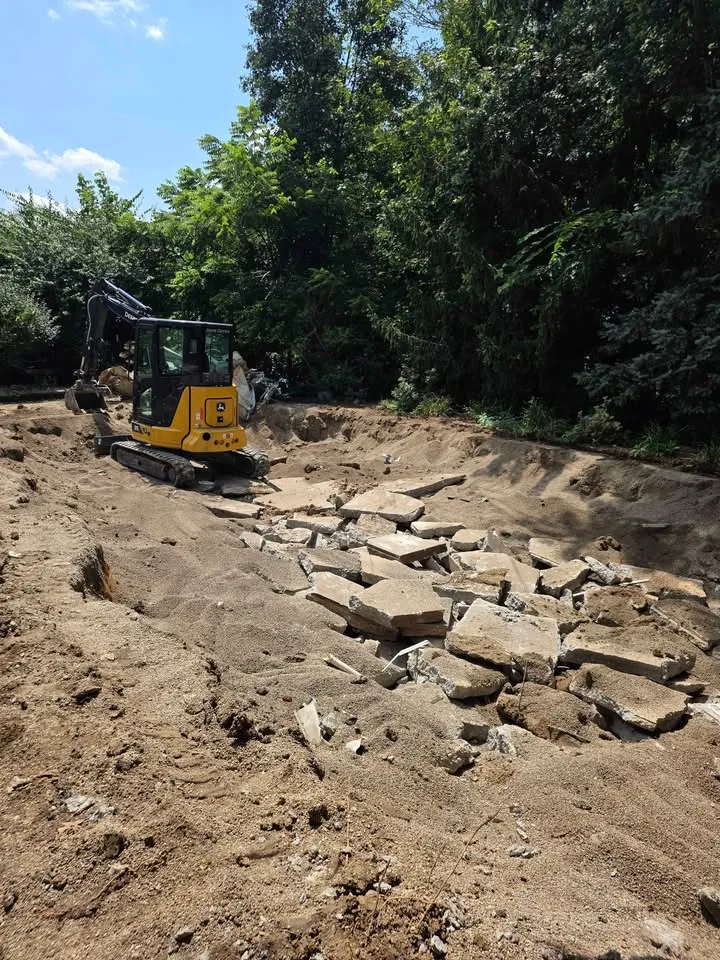
What the boreholes are for
A geotechnical investigation tells the engineer what the new foundation will bear on. The driller takes samples at several locations and depths, and the report describes the soil layers, their strength and where groundwater sits.
Much of Oakville sits on clay soils, and groundwater levels vary from lot to lot, particularly near creeks and the lake. Those conditions shape footing size, basement depth and drainage design, which is why engineers rarely skip the report on a custom rebuild.
Before or after the teardown
There is no single right answer. The choice usually comes down to access:
- Drill before demolition when the yard has room and the new footprint extends beyond the old house, so bores can go where the new foundation will be.
- Drill after demolition when the new house sits largely where the old one stood, so the only useful locations are under the existing building.
- Some projects do both: a few bores early for design, and more after the lot is clear.
Keeping bore locations undisturbed
If drilling happens first, the bore holes are usually marked with stakes or paint. The demolition crew should know where they are and avoid stockpiling debris or parking equipment over them, especially if the engineer may want to return to the same spots.
What the report changes for demolition
The soil report can change how the demolition is finished, not just how the new foundation is built:
- Backfill material: the engineer may want specific fill, or none, in the old basement.
- Leaving the old basement open so the excavator can dig straight to the new bearing level.
- Dewatering: where groundwater is high, the old hole may fill with water and need pumping.
Coordinating the driller, the crew and the builder
The builder usually books the driller and the demolition contractor and sets the order. How that fits into the rest of the program is covered in our explainer on how a demolition crew works with your builder's schedule. The important part here is that the report reaches the demolition contractor before the foundation comes out.
When to bring in a professional
The geotechnical engineer decides how many bores are needed and where. Bring the demolition contractor into that conversation early if drilling will happen after the teardown, so the lot is left in a condition the drill rig can work on and the old foundation is handled the way the report recommends.
Getting the order right
A small amount of planning between the engineer, the builder and the demolition crew avoids digging twice or backfilling with the wrong material. Bolan Group Demolition Oakville follows the report on every foundation removal and residential demolition. Request a free estimate to talk through your sequence.
Frequently asked questions
- Can boreholes be drilled with the old house still standing?
- Yes, if there is room in the yard where the new foundation will go. The drill rig needs access to each location, so tight side yards or a new footprint directly under the old house often mean drilling after demolition instead. The geotechnical engineer decides which locations matter for the design.
- Why would the engineer want the old basement left open?
- If the new footings need to bear on native soil below the old basement floor, backfilling the hole only to dig it out again wastes time and can leave loose material under the new foundation. Leaving it open, and fenced, lets the excavator go straight to the bearing level the report identifies.
- What is dewatering and does demolition need it?
- Dewatering means pumping groundwater out of an excavation. Where the water table is high, the old basement can fill after the foundation is removed. The geotechnical report usually flags this, and the demolition and excavation contractors plan pumping so the hole stays workable until the new foundation goes in.
- Who orders the geotechnical investigation?
- Usually the owner or builder, on the recommendation of the structural engineer designing the new house. The engineer specifies what the investigation needs to cover, and the driller and geotechnical firm carry it out. The demolition contractor should receive a copy of any findings that affect how the old foundation is removed.