
Teardowns
Tearing Down to Rebuild: What Oakville Homeowners Should Plan For
- teardown
- rebuild
- Oakville
So you've found the lot, or you've decided the house you're in has done its job and it's time to build new. Either way, there's a stage between the old house and the new one that doesn't get much attention until it's close: the teardown.
It isn't complicated, but it does have a lot of moving parts, and most of them need to start well before a machine shows up. Here's what to plan for, roughly in the order you'll meet it.
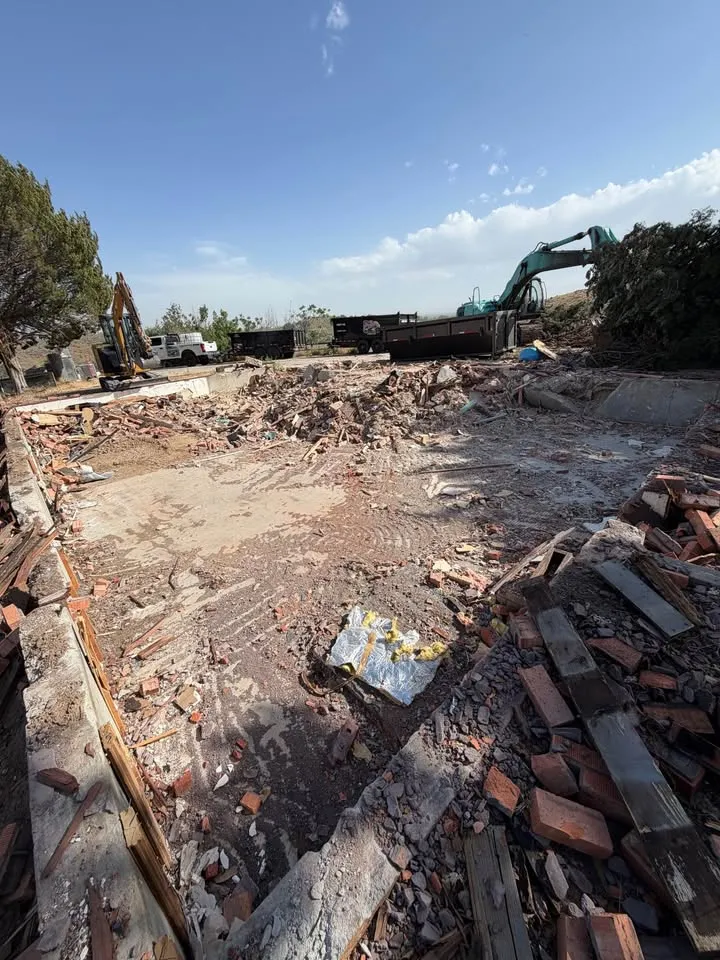
Start with the new house, not the old one
In Oakville, a residential demolition permit is only issued once the permit for the replacement house is ready to be issued. That means your architect and builder set the pace. The demolition date is one of the last things to fix, not the first.
It's worth telling your builder early that you'll need a demolition contractor, so they can tell you what condition they want the lot handed over in.
If the house has heritage status, or is in one of Oakville's heritage conservation districts, add a heritage review before all of this. It's worth checking the town's heritage register before you design anything.
Get the survey done early
Ontario's Occupational Health and Safety Act, section 30, requires the owner to find out which designated substances are in the building before the work is tendered. For most older Oakville houses, that's mainly about asbestos.
- Common places: pipe wrap, plaster, textured ceilings, vinyl tile, vermiculite insulation.
- Removal follows O. Reg. 278/05 and happens before the teardown.
- Finding it late is one of the most common causes of delay.
Line up the utilities
The town's demolition clearance form needs signatures from Oakville Hydro, Halton Region and Enbridge Gas. Gas is the one to book first, because Enbridge only signs once the disconnection is actually done.
While you're at it, think about temporary power. If your builder needs it on site later, that's a separate arrangement from the disconnection.
Walk the lot with your trees in mind
Oakville protects private trees of 15 centimetres or more in diameter at breast height, and a teardown counts as development, so an arborist report is usually part of the permit package. The trees you keep will need hoarding, and they affect where a machine can go.
It's a good time to decide which trees matter most to you. Keeping a mature tree can shape the whole footprint of the new house, and it's much easier to plan around it now.
Think about the neighbours
A teardown is loud for a few days, and there'll be trucks and a bin on the street. Oakville allows construction noise from 7 a.m. to 7 p.m. Monday to Saturday. A quick note to the houses on either side, with dates and a contact number, goes a long way.
When it makes sense to bring in a professional
Honestly, as soon as you have a builder and a rough timeline. A demolition contractor can look at access, trees, neighbouring structures and the foundation, and tell you what's realistic before you've committed to dates. It's also the moment to agree on the handover: foundation out, hole open, or backfilled and graded.
Our residential demolition page explains how we run a teardown, and our site clearing work covers the lot afterward.
Putting it together
A good teardown is mostly good planning: permits in order, surveys done, utilities off, trees protected, neighbours told and the handover agreed with your builder. Do those well and the demolition itself is the easy part. If you'd like Bolan Group Demolition Oakville to walk your lot, request a free estimate.
Frequently asked questions
- How early should I talk to a demolition contractor?
- Once you have a builder and drawings underway. That's early enough to plan access, trees and the handover without holding anything up.
- Can I live in the house until the demolition?
- Usually, yes, until the utilities are disconnected. Most owners move out before the gas and hydro are cut.
- Can anything be salvaged first?
- Yes. Fixtures, doors, trim, cabinets and appliances can be removed or donated before the teardown. Let your contractor know what you want kept.
- Who handles the permit application?
- The owner is the applicant, though a builder or contractor can apply on the owner's behalf with written authorization.