
Planning
Well and septic decommissioning before a north Oakville teardown
- septic
- well
- north Oakville
Not every Oakville house is on town water and sewer. Some older properties north of Dundas Street and around Palermo were built with a private well and a septic system, and some of them still use both.
When one of those houses is torn down, the well and the septic don't just get buried with the rubble. Each has its own process, and it has to happen before, or alongside, the demolition.
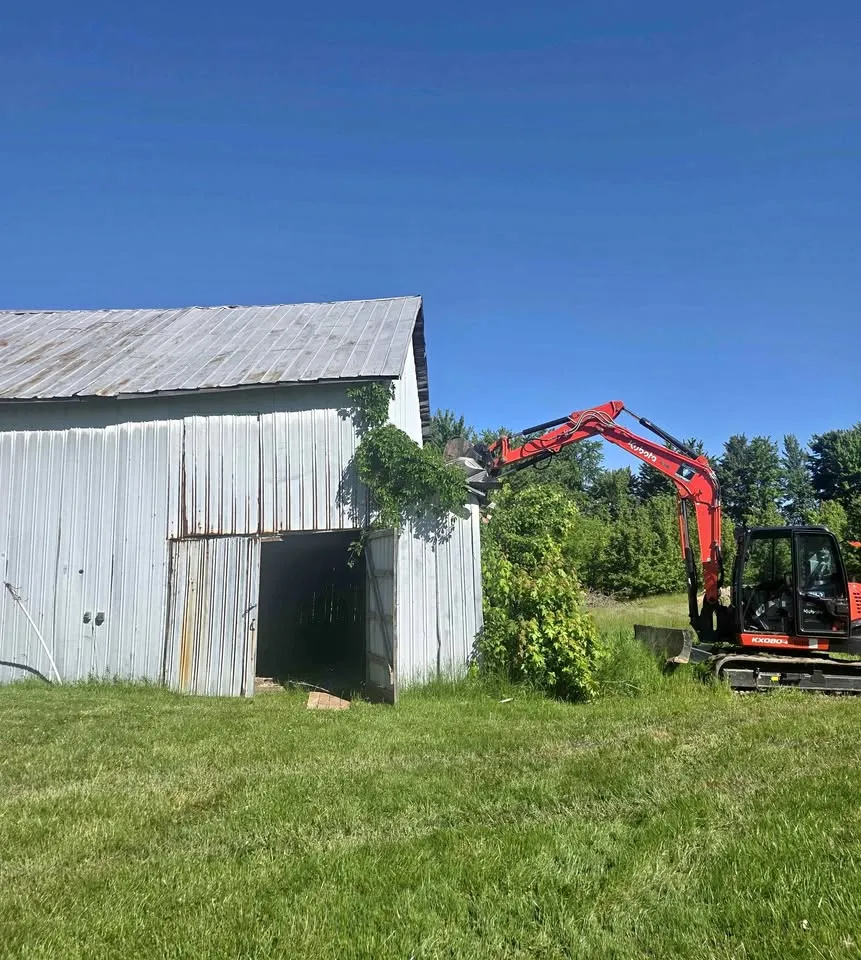
Is there a well or septic on your lot?
If the house has no municipal water or sewer bill, the answer is probably yes. Signs to look for include:
- A well casing sticking up in the yard, or a pit near the house.
- A pressure tank and pump in the basement.
- A septic tank lid or risers, and an area of lawn that stays greener over the leaching bed.
Abandoning the well
An unused well has to be properly abandoned by a licensed well contractor. In general terms, that means removing the pump and equipment, sealing the well so surface water cannot reach the groundwater, and recording the work. It is not something a demolition crew does, and it should not be left open or simply covered over.
Decommissioning the septic system
The septic tank is pumped out by a licensed hauler first. After that, the tank is either removed or filled, depending on what Halton Region's septic process requires for your property and what the builder needs on the lot. The owner should confirm the requirements with the Region before the demolition is booked.
The leaching bed may stay in the ground or be removed if it sits where the new house will go.
Connecting to municipal services
Many rebuilds in these areas connect the new house to municipal water and sewer where they are available on the street. That is a matter for the builder and Halton Region, and it is planned as part of the new house, not the demolition.
What the crew does until they are decommissioned
If the demolition starts before the well or septic work is complete, the crew treats both as hazards:
- The well casing is flagged and fenced so machines do not strike or bury it.
- The septic tank and leaching bed are marked, and heavy equipment stays off them.
- Debris is staged away from both areas.
When to bring in a professional
Call a licensed well contractor for the well and a licensed septic hauler or installer for the tank, and speak with Halton Region about the septic process. For the demolition permit itself, Town of Oakville Building Services handles the application; our Town requirements guide covers the rest.
One less surprise
Wells and septic systems are easy to forget on an older rural-style lot. Bolan Group Demolition Oakville asks about them at the site visit and plans our residential demolition and site clearing work around them until they are properly closed. Request a free estimate to get started.
Frequently asked questions
- Can the old well just be buried during demolition?
- No. An unused well must be properly abandoned by a licensed well contractor so surface water and contaminants cannot reach the groundwater. Burying it under demolition fill leaves an open path into the aquifer and can cause problems for the new owner. The well work should be done before or alongside the teardown.
- Does the septic tank have to be removed?
- Not always. After it is pumped, the tank may be removed or filled depending on Halton Region's requirements for your property and what the builder needs. If the new house or driveway sits over the tank, removal is often the practical choice. Confirm the requirements with the Region before booking the work.
- Who connects the new house to town water and sewer?
- The builder arranges it with Halton Region as part of the new house. Availability depends on whether municipal services run along your street. The demolition contractor's role is to remove the old house and keep the old well and septic protected until they are decommissioned.
- Can heavy equipment drive over a septic tank?
- It should not. Tanks and leaching beds are not designed for the weight of an excavator or a loaded truck, and a collapsed tank is both dangerous and messy. The crew marks the tank and bed at the start and keeps machines and debris off them until the system is decommissioned.