Teardowns
Where does demolition debris from an Oakville teardown go?
- debris
- recycling
- teardown
It goes to licensed transfer stations and recyclers that sort wood, metal, concrete and mixed construction waste, with concrete and metal loaded separately because they are recycled. Halton Region's waste site in Milton takes some construction materials from residents, but the volume from a teardown goes through the contractor's haulers.
The sorting starts on the lot, long before a truck reaches any facility.
What a teardown produces
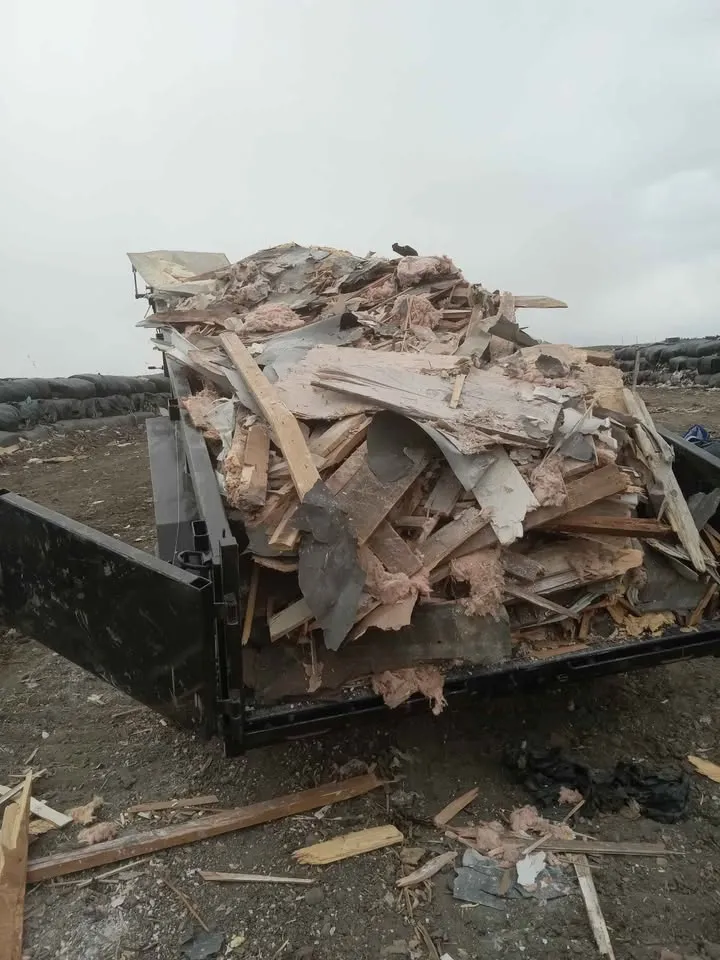
A typical house produces a mix of materials as it comes down:
- Wood framing, sheathing and trim.
- Drywall and plaster.
- Brick, block and stone.
- Concrete from the foundation, slab, steps and walks.
- Roofing materials.
- Metal from ductwork, pipes, wiring and appliances.
Why clean concrete and metal are kept separate
Clean concrete and metal have well-established recycling paths. Concrete can be crushed into aggregate, and metal is melted down and reused. Keeping them out of mixed loads means they are actually recycled rather than sent to landfill with everything else, and it keeps mixed loads smaller.
What never goes in the bin
Some materials are not part of the demolition waste at all:
- Asbestos-containing materials, which are removed and disposed of by the abatement contractor before demolition.
- Household hazardous waste such as paint, solvents, propane and chemicals, which the owner takes to Halton Region's depot.
- Anything the owner wants to keep, salvage or sell.
Covered and tracked loads
Loads leaving the site are covered so debris does not fall or blow off on the road. Haulers take them to licensed facilities, and the contractor keeps track of where each load went. That record matters if an owner, builder or lender asks how the material was handled.
How the lot helps
Sorting depends on space. A lot with room for separate piles allows more separation than a tight infill lot where everything has to be loaded as it comes down. The site walk decides how much sorting the lot can support.
Owners can help too. Clearing out furniture, boxes and household items before demolition day keeps them out of the construction waste stream, where they would otherwise be mixed in with framing and drywall.
What Bolan does about it
We sort on site as the house comes down: metal set aside, clean concrete stockpiled separately where space allows, and the rest loaded for mixed construction waste. Loads are covered and sent to licensed facilities through our haulers. Leftover contents and yard waste are handled through our junk and debris removal service, and the demolition itself through residential demolition. Request a free estimate to talk about your lot.
Frequently asked questions
- Is demolition debris recycled?
- Much of it can be. Clean concrete is crushed for aggregate, metal is recycled, and some wood can be recovered. Mixed materials go to licensed transfer stations that sort what they can. How much is recycled depends partly on how well the debris is separated on site.
- Can I take teardown debris to the Halton Region waste site myself?
- Halton Region's waste site in Milton accepts some construction materials from residents, but a whole house produces far more than a homeowner can haul. On a teardown, the contractor's haulers take the volume to licensed facilities. Smaller renovation debris may be different; check the Region's rules first.
- What happens to paint and chemicals left in the house?
- They do not go in the demolition bin. The owner takes paint, solvents, propane and similar products to Halton Region's household hazardous waste depot before the teardown. The crew sets aside anything it finds so it can be handled properly.
- Why are some loads kept separate?
- Clean concrete and metal are recycled through their own channels. Mixing them with drywall, wood and insulation makes them harder to recover. Keeping them separate on site means more material is reused and less ends up in landfill.