Planning
Holding a vacant Oakville house before the teardown: heat, water, security and insurance
- vacant house
- teardown
- planning
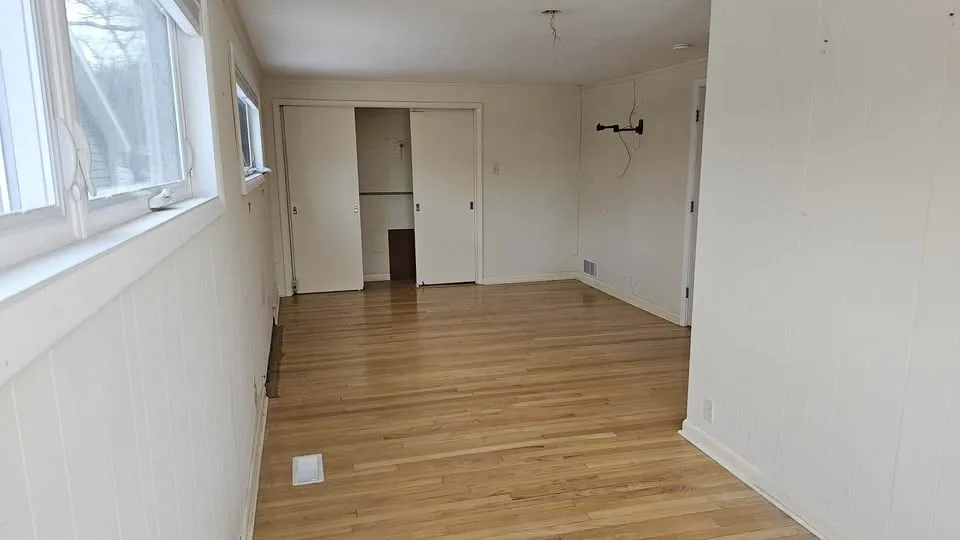
You've closed on the lot, or moved out of the old house, and the builder isn't ready yet. For a few weeks or a few months, you own an empty house that nobody lives in and everybody walks past. It's easy to forget about, and that's exactly the problem.
Empty houses fail in quiet ways. A pipe splits, a window gets broken, flyers pile up at the door. None of it matters to the teardown itself, but all of it can cost time and money before the demolition day arrives.
What goes wrong in an empty house
The gap between closing and demolition is often longer than owners expect, because the demolition permit follows the new-build permit. During that stretch, the risks are predictable:
- Frozen and burst pipes when the heat is turned down too far in winter.
- Break-ins, squatting or stripping of copper and fixtures.
- Roof leaks and basement water that go unnoticed for weeks.
- Complaints from neighbours about long grass, snow or litter.
Heat and water
The simplest rule is that the heat stays on until the utilities are disconnected for demolition. A low, steady setting keeps pipes from freezing and moisture from building up.
If the house will sit empty through a cold stretch, many owners also shut off the main water valve and have the lines drained, in general terms the same way a cottage is closed for winter. A plumber can do this properly, including the water heater and any fixtures that hold water.
Locks, lighting, mail and snow
An occupied look is the best security. Change the locks if keys have been floating around, and put a couple of lights on timers. Stop or forward the mail so nothing piles up at the door.
Keep the lawn cut and the walk cleared. The Town of Oakville expects property owners to keep their buildings and yards in reasonable condition under its property standards rules, whether or not anyone lives there, and a tidy lot draws less attention.
Insurance while it sits empty
A home insurance policy may treat a vacant house differently from an occupied one. That is a conversation for you and your broker, and it is worth having before the last box leaves, not after something goes wrong.
What the demolition contractor carries
Once the job starts, the contractor's own coverage comes into play. Ask for proof of WSIB clearance and liability insurance before work begins, and keep copies with your permit file. Your builder may ask for the same documents.
When to bring in a professional
Bring in a plumber to winterize if the house will sit through freezing weather, and a locksmith if security is in doubt. If the house is still full of furniture and belongings, clearing it early removes a reason for break-ins; our estate cleanout service handles that before the teardown.
Closing the gap
Holding an empty house is mostly about attention: heat on, water managed, the place looking cared for and your broker in the loop. When the permit arrives, Bolan Group Demolition Oakville takes it from there through our residential demolition service. You can request a free estimate while you wait.
Frequently asked questions
- Should I turn the heat off in a house that is being torn down?
- Not until the utilities are disconnected for demolition. Leaving the heat on at a low setting protects the pipes and keeps moisture down while the house sits empty. A burst pipe in a vacant house can flood the basement for days before anyone notices, which adds cleanup and delay before the teardown can start.
- Do I need to keep the yard maintained if the house is coming down?
- Yes. The Town of Oakville expects owners to keep property in reasonable condition whether or not the house is occupied. Cutting grass, clearing snow from the walk and picking up flyers also keeps the house from looking abandoned, which lowers the chance of break-ins and complaints from neighbours.
- Will my home insurance cover a vacant house?
- Policies vary, and many treat a vacant house differently from one that is lived in. Speak with your broker before the house is empty, explain the plan and the expected gap until demolition, and ask what they need from you. That conversation is the only reliable way to know where you stand.
- What documents should the demolition contractor give me?
- Ask for a WSIB clearance certificate and proof of liability insurance before any work starts. Keep copies with your permit paperwork, and share them with your builder or lender if they ask. A contractor that works on residential teardowns regularly will have both ready without any trouble.